
Signing a waiver for a trip you've booked? Check your email or text messages for your personal link. This page is for tour and activity operators.
If a claim ever lands, a scanned signature on its own tells you very little. Wherewolf stores a timestamped record of who signed, when, what they were shown, and which clauses they acknowledged separately. Optional photo ID and selfie sit alongside it.
Free for up to 400 waivers a month. No card required.
Insurers and legal advisors tend to ask the same questions about a waiver after an incident. These are the ones a paper form or a plain scanned signature struggles with.
Every Wherewolf waiver carries a timestamp. Not the date someone wrote on a form, and not the date it was filed. The moment it was actually completed.
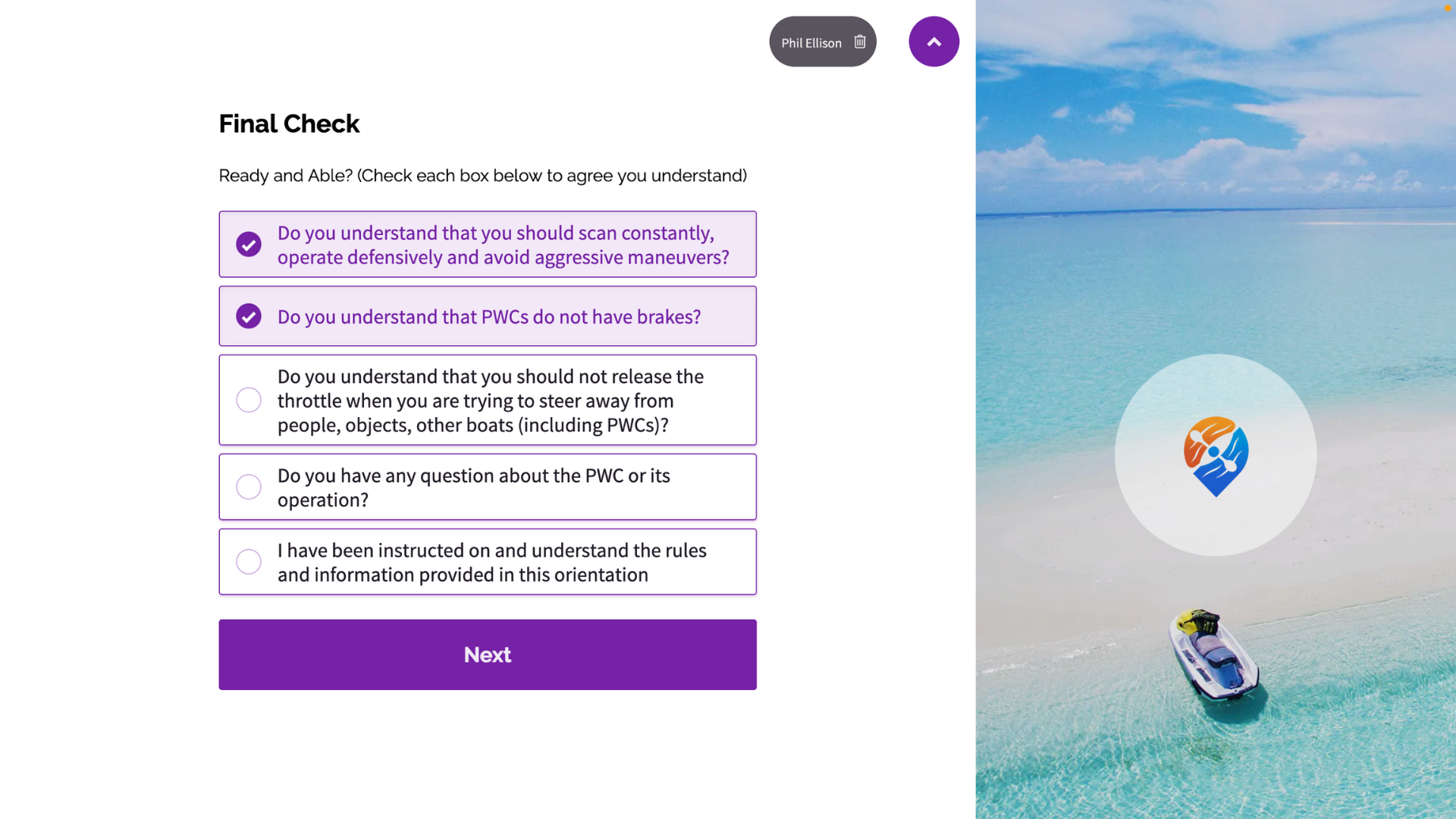
Wherewolf presents the waiver in steps, with critical clauses acknowledged separately rather than buried in a scroll. The record reflects what was actually put in front of them.
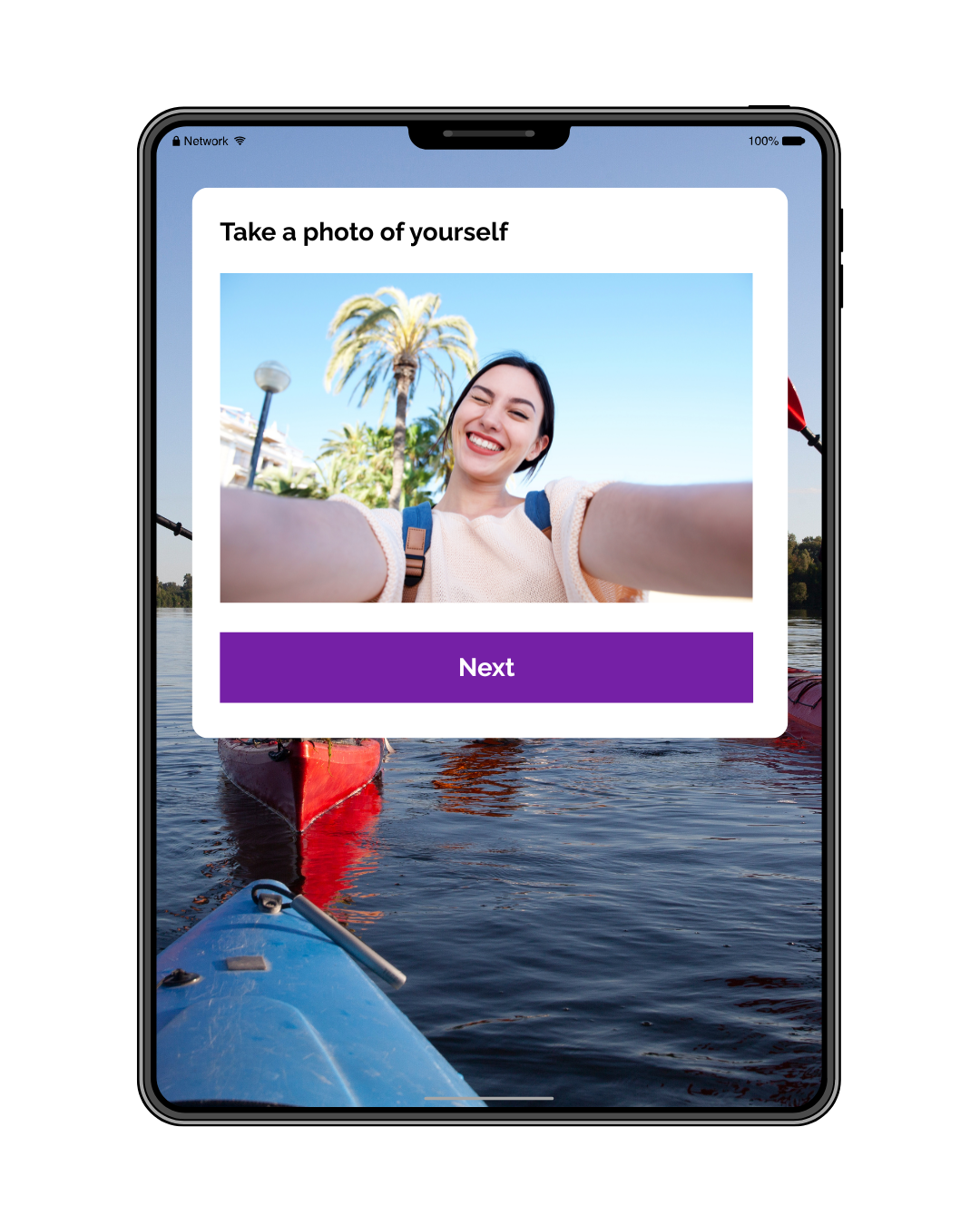
A name on a page proves nothing on its own. Wherewolf can capture a photo ID and a selfie during signing, stored with the waiver.
Claims rarely arrive the same season. Waivers are stored in the cloud and searchable by name, date or trip, instead of sitting in a box in a back office.
Half-completed paper forms are a common weak point. Wherewolf pre-fills what it knows from the booking and won't let a guest skip a required field.
A group booking is one name in your reservation system but several people on the trip. Wherewolf collects a waiver from every guest, not only the person who paid.
Guests can upload photo ID and take a selfie as part of signing. Both are stored with the waiver, so the record shows who signed rather than just that someone did.
"We thought we were just getting the convenience of having an organized electronic waiver system, but what we really got was a powerful tool for marketing, data collection and protection against liability. We have consistently protected ourselves from liability by having our guests' waivers easily accessible at all times."
The Flying Bike
Wherewolf customer for many years
Electronic signatures are widely recognised, including under the US ESIGN Act and equivalent legislation elsewhere. In practice what tends to matter is the strength of the record behind the signature: who signed, when, what they were shown, and whether they acknowledged the important clauses. A digital waiver usually produces a better record than paper, not a weaker one.
Requirements vary by country, state and activity. Confirm your own position with your insurer or legal advisor.
Yes. Your legal wording stays exactly as your advisor drafted it. What changes is the presentation: broken into steps, with critical clauses acknowledged separately instead of buried in a wall of scrolling text.
Retention periods depend on your jurisdiction and the limitation period that applies to your activity, and they are often longer than operators expect. Wherewolf stores waivers in the cloud with no need to manage physical archives.
Waivers for under-18s generally require a parent or guardian to sign. Wherewolf supports adding minors to an adult's waiver so a parent can complete the whole group in one go, rather than chasing separate forms at the counter.
Yes. Guests can sign on site with no connection. The waiver is held on the device and syncs to the cloud once you are back online. Trip manifests are available offline too.
We have templates you can use as a starting point, but a waiver should always be reviewed by someone qualified in your jurisdiction before you use it.
Wherewolf is a waiver and guest management platform, not a law firm. Nothing on this page is legal advice. Have your waiver and your retention policy reviewed by a qualified advisor in your jurisdiction.
A 20-minute walkthrough using your actual waiver wording and your booking system. No slide deck, no obligation.


